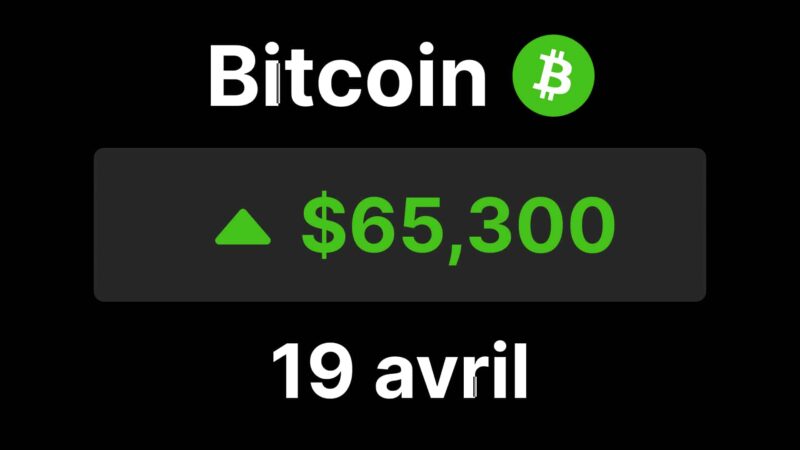
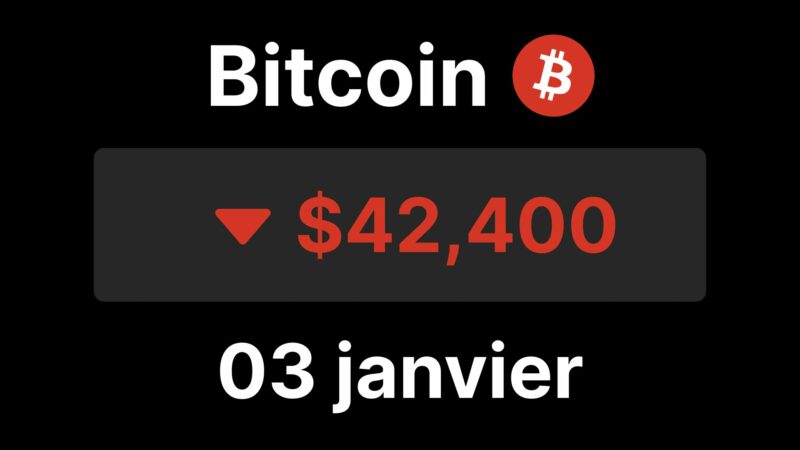
Bitcoin has abruptly lost its momentum at the beginning of the week. After a failed attempt to consolidate above $95,000, the leading cryptocurrency fell back below $93,000, carried away by a wave of massive liquidations in the derivatives markets. In just 24 hours, one billion dollars of positions were liquidated, with over 90% of long positions.
A Leveraged Rally, Swiftly Punished: Bitcoin Dips to $92,000
The retreat observed in Asia illustrates the fragility of the recent bullish movement. The swift move towards the $96,000 zone was not backed by strong spot demand, but mainly by mechanical flows in derivatives products. Data shows that the rally was fueled by liquidations of shorts (short sellers) and increasingly concentrated leverage.
When the momentum reversed, the market quickly cleared this excess of long positions. The result: a 3% decline in bitcoin, around $92,500, and an even more violent correction on altcoins. Solana dropped nearly 7%, Sui around 10%, while Zcash also plummeted by about ten points.
Insufficient Liquidity to Support the Rise
One of the key signals highlighted by analysts is the persistently low liquidity in the futures markets. With shallow order books, the price becomes extremely sensitive to positioning changes. As soon as the forced purchases related to liquidations dry up, the dynamics abruptly reverse.
Another pressure point: a structural resistance zone related to long-term holders. A significant part of the supply has been accumulated near previous peaks, creating a natural barrier during each attempt to rebound. This zone continues to cap successive bullish movements.
A Risk of a Simple Technical Rebound
Some observers remain cautious about the nature of the current movement. The rebound that started since late November looks more like a bear market rally than a real trend reversal. Bitcoin still trades below its 365-day moving average, located around $101,000, a threshold often seen as a boundary between bearish and bullish regimes.
Spot demand, although slightly improving, remains insufficient to confirm a change in dynamics. The flows towards Bitcoin Spot ETFs remain modest, and the visible accumulation on major platforms has not yet reached levels compatible with a sustainable bull cycle.
Signs of Stabilization, but Intact Nervousness
However, not everything is negative. The selling pressure from long-term holders has significantly eased compared to the end of 2025, and some exchanges show a gradual return of buyers. This stabilization reduces the risk of a sharp downturn in the short term.
But as long as the recovery relies more on leverage than real demand, the market will remain vulnerable. Options reflect this caution: implied volatility remains contained, but downside protections are expensive on longer maturities.
In short, without a clear return of spot buyers, Bitcoin risks continuing to oscillate based on liquidity flows and leverage excesses. An uncomfortable setup for a market still in search of a solid foundation of conviction.